Simple Garden Care: How I Handle Pests and Keep Plants Healthy

Easy ways I manage common garden problems without overcomplicating things.
One of the most frustrating parts of simple garden care is dealing with pests. Walking outside and noticing something isn’t quite right.
Leaves with holes… tiny bugs where they weren’t before… plants that suddenly look stressed or damaged.
Over time, I’ve learned that you don’t need a complicated system or a shelf full of products to handle these moments. A few simple, dependable solutions can go a long way in keeping things under control while still maintaining a calm, manageable garden routine.
These are the garden care products I reach for when pests start to appear.
This post contains affiliate links. As an Amazon Associate, I earn from qualifying purchases at no additional cost to you. I only share products I genuinely use, enjoy, or personally recommend.
If you’re noticing pest issues and want a simple place to start, these are the products I reach for most often.
Quick Garden Care Essentials
These are the simple tools and products I use most to keep my garden healthy and manageable:
- Neem oil – for common garden pests
- Diatomaceous earth – for crawling insects
- Garden sprayer – for even application
- Garden duster – for easy distribution
- All-purpose fertilizer – for plant health and overall growth
- Moisture meter – to avoid overwatering
- Hose timer – for consistent watering
These are the items I tend to reach for first when something doesn’t look quite right in the garden.
When I Notice Aphids, Mites, or Small Insects
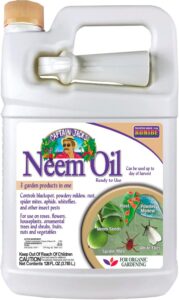
Neem Oil
Neem oil is one of the first things I reach for when I start seeing small insects like aphids or spider mites.
I like that it feels like a gentler option while still being effective when used consistently. I usually apply it in the early morning or evening to avoid strong sunlight.
Helpful for:
- Aphids
- Spider mites
- Whiteflies
- General pest control
When I See Crawling Pests (Ants, Beetles, Slugs)
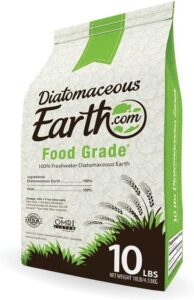
Diatomaceous Earth
For pests that move along the soil, like ants, beetles, or slugs, I like using diatomaceous earth.
It’s easy to sprinkle around plants and creates a barrier that helps discourage pests from sticking around. It can also be lightly applied to plant surfaces to extend that protective layer.
I do reapply after rain to keep it working effectively.
Helpful for:
- Slugs
- Ants
- Beetles
- Other crawling insects
For Even Application
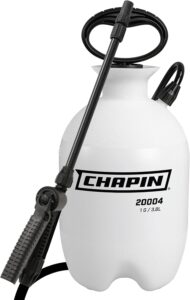
Garden Sprayer
A simple garden sprayer makes applying neem oil or liquid solutions much easier and more consistent.
It helps coat leaves evenly without overdoing it and saves time during regular garden care.
Garden Duster
Using a garden duster makes applying diatomaceous earth (or other powdery products) much simpler and less messy.
It allows you to apply a fine, even layer without heavy clumping, helping the product work more effectively while also reducing waste.


For Everyday Garden Care
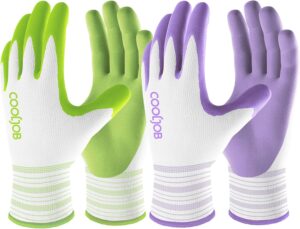
Garden Gloves
When working in the garden — especially when dealing with pests or treating plants — I always keep a comfortable pair of gardening gloves nearby.
They make everything feel a little easier while helping protect your hands during planting, weeding, and everyday garden care.
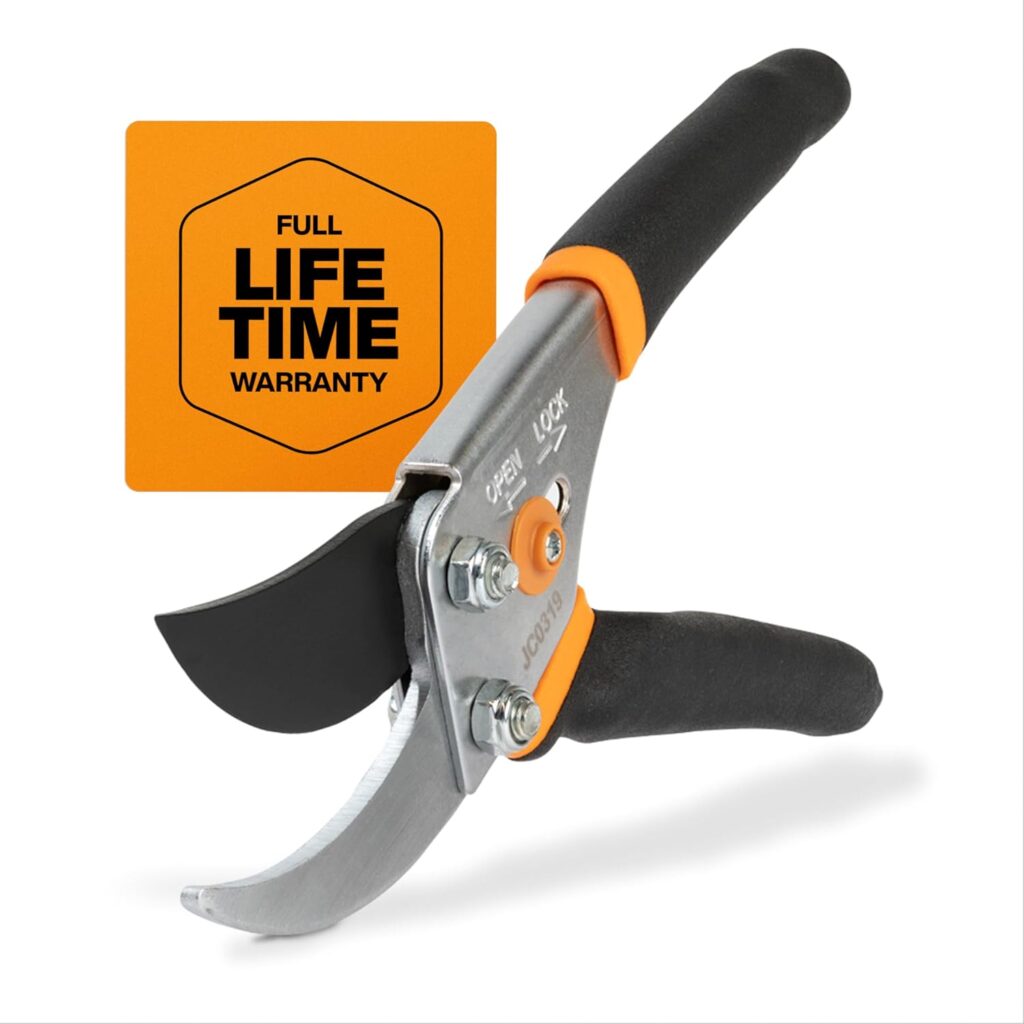
Hand Pruners / Snips
One of the tools I reach for often throughout the season, are my hand pruning shears.
They’re perfect for trimming damaged leaves, harvesting vegetables, or cutting flowers cleanly without pulling or damaging the plant.
Weeding Tool
A simple weeding tool can make a big difference when it comes to removing unwanted weeds from your garden beds.
It helps lift weeds more easily from the soil, making the process feel quicker and a little more satisfying.

Garden Kneeler / Seat
A garden kneeler or seat is one of those small comforts that makes a big difference during longer days outside.
Having something padded to kneel or sit on makes tending to your garden much more comfortable and helps take some of the strain off your knees.

Supporting Plant Health (Prevention Matters Too)
While pest control is important, I’ve also found that healthy plants tend to handle stress much better.
A simple fertilizer routine and consistent watering can help plants stay strong and more resilient throughout the season.
Helpful additions:
All-purpose fertilizer
Plants need a boost from time to time, and a simple all-purpose fertilizer helps provide the nutrients they need to grow strong and produce healthy, flavorful vegetables.
While this isn’t necessarily a “natural” product, I use it as part of a simple routine to keep plants healthy and better able to handle stress throughout the season.
I usually fertilize every 1–2 weeks during the growing season to keep things steady without overcomplicating the process.

Moisture Meter
Plants need consistent moisture to thrive, but too much water can sometimes do more harm than good.
A moisture meter helps take the guesswork out by showing whether the soil is too dry or still holding moisture below the surface.

Hose Timer
This is one of my most helpful garden “tools” for keeping a consistent watering routine.
A hose timer allows you to set a schedule so your plants receive steady moisture without needing to remember to water every day. It’s easy to adjust depending on weather conditions, whether things are especially wet or dry.

A Simple, Calm Approach
It’s easy to feel like you need to react quickly when pests show up, but I’ve found that a steady, simple approach works best.
A few reliable products, used consistently, can make a big difference without turning garden care into something stressful or overwhelming.
A Little Extra Help
If you’re trying to stay organized with garden care routines, treatments, and seasonal tasks, having everything written down can really help.
Even something as simple as a notebook or garden journal can make it easier to track what’s working, what needs attention, and what to adjust as the season goes on.
If you’re looking for more guidance throughout the season, I also share step-by-step tips in my Raised Garden Bed Series to help you plan, grow, and care for your garden with confidence.
Final Thoughts
Garden pests are a normal part of growing anything, and every gardener runs into them at some point.
Over time, you’ll find what works best for your space — and settle into a rhythm that feels simple and manageable.
The goal isn’t perfection — it’s finding simple, manageable ways to keep your garden healthy and continue enjoying the process along the way.